Range Hood Fan Not Working — or Roaring Like a Jet? Start Here
July 31, 2026 · 5 min read
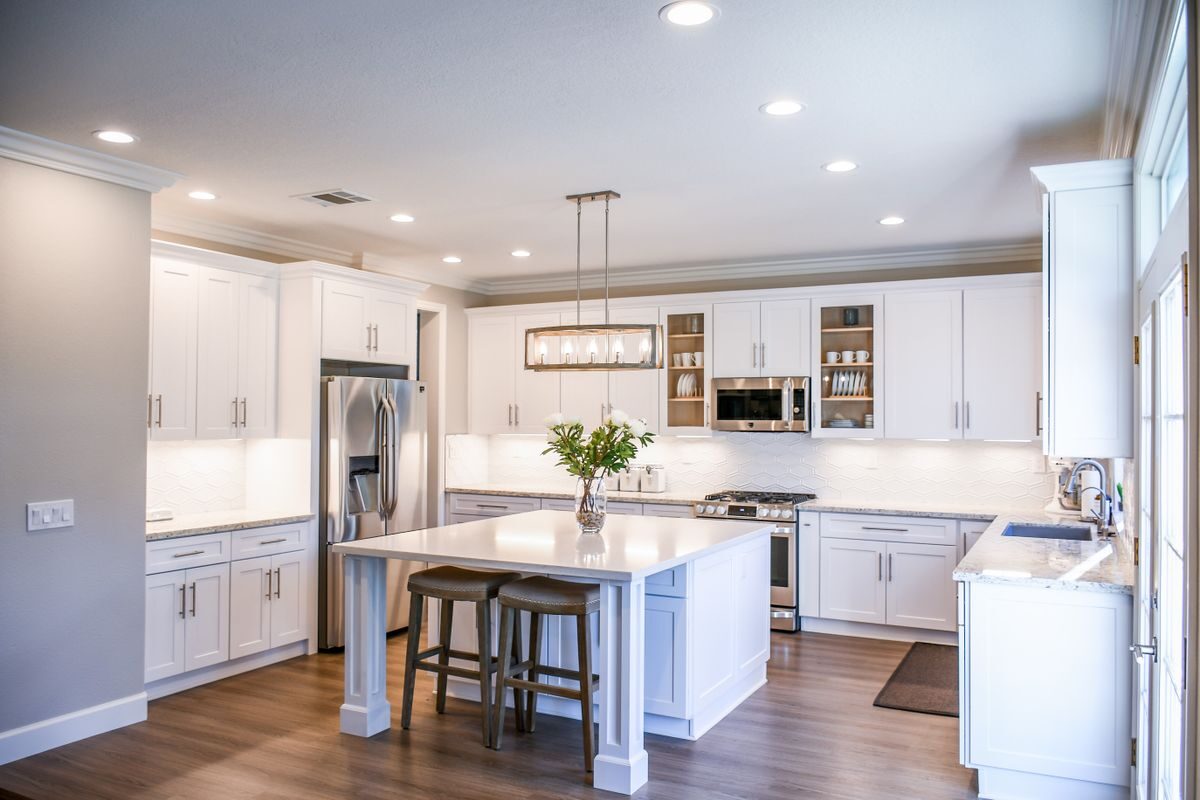
You start a pan of sofrito, the kitchen fills up, you reach over and hit the hood fan — and nothing much happens. Either it sits there silent, or it roars away impressively while the smoke drifts straight past it toward the smoke detector in the hallway. Range hoods are the appliance nobody thinks about until the windows have to come open in August, which around here means letting the humidity in to fix a smoke problem. Not a great trade. Here’s how to sort it out, in the order that finds the answer fastest.
Step one: pull the filters
Those metal mesh panels under the hood are grease traps, and they do their job until they’re completely loaded — at which point air can barely get through them. This is far and away the most common reason a hood “stopped working.”
Slide them out (most just unclip), and soak them in hot water with a good degreasing dish soap. Many are dishwasher-safe on the top rack, though it can dull an aluminum mesh over time. If yours drips grease when you handle them, you’ve found your problem. Every month or two is a reasonable habit if you cook regularly.
Step two: go outside and watch the vent
If your hood vents outdoors, there’s a flap on the exterior wall or roof that should swing open when the fan runs. Turn the fan on high and go look at it. A flap that’s painted shut, corroded stiff, or blocked will choke the airflow no matter how strong the motor is.
Two local wrinkles worth knowing: salt air is hard on those exterior dampers, so a coastal home can seize one up faster than you’d expect. And a quiet vent that hasn’t run in a while makes attractive real estate for birds and wasps. Take a flashlight.
Step three: is your hood even venting outside?
A lot of hoods — especially in condos and townhomes where there’s no practical duct route — are recirculating. They pull air through a charcoal filter and blow it back into the kitchen. Those hoods never remove much steam or heat by design; they only handle odor and grease. If yours is recirculating and it seems useless lately, replace the charcoal filter. They saturate and stop working, typically inside six to twelve months, and there is no cleaning them.
Not sure which type you have? Look at the top of the hood inside the cabinet. Duct going up and out means vented. Nothing but a grille blowing back into the room means recirculating.
When the fan is dead, or suddenly loud
If the filters are clean, the outside flap opens, and it still won’t behave, the hood itself needs attention. A few useful clues to note before you call:
- Lights work but no fan? The hood has power, so the problem is on the fan side — the motor, the speed switch, or the control board.
- Nothing at all, lights included? Check the breaker, and check the plug inside the cabinet above the hood — many hoods are simply plugged into an outlet up there that can work loose.
- It got loud recently. A blower wheel caked in grease spins out of balance and rattles. That’s cleanable. A steady grinding sound, on the other hand, usually means motor bearings.
- The fan turns itself on, or won’t shut off. Many hoods have a heat sensor that runs the fan automatically above a hot cooktop — that part is normal. If it keeps running with a cold stove, moisture or grease in the touch panel is a real cause in our climate, and so is a failed sensor.
Whichever it is, cut the power at the breaker before you go poking at anything, and keep water away from the switch and wiring.
If your “hood” is really a microwave
In plenty of Palm Beach County kitchens the ventilation is built into an over-the-range microwave. Same principles apply — grease filters underneath, a vent path above — but the fan, the sensor, and the controls are all part of the microwave. Those are very repairable, and on a built-in unit a repair almost always beats replacing the whole thing. Here’s what we handle for microwave repair, including over-the-range models.
The part people skip: this is a fire-safety item
Saturated grease filters sitting directly above an open flame are the single biggest fire risk in a normal kitchen. It isn’t a dramatic claim, it’s just what the grease is and where it is. Clean filters, keep the grease cup emptied if your hood has one, and never leave a hot pan unattended under a hood that isn’t pulling. If you ever have a grease fire, smother it with a lid or a fire extinguisher — never water, and never carry a flaming pan across the kitchen.
Getting it sorted
Range hood symptoms are now in our free Symptom Checker — pick the appliance and what it’s doing, and you’ll get the likely causes, the safe self-check, and an honest read on whether it’s a DIY job or one for a pro. If it turns out to be the motor, the switch, or the controls, that’s cooking-appliance territory and it’s what we do all day; see oven and stove repair for how the visits work.
Tired of cooking with the windows open? Book a repair online or call us at (561) 533-9840. You’ll get the same trusted person on the phone and at your door, with the price up front before anything gets touched.
Ready when you are
Same-week, in-home repair across Palm Beach County. Honest pricing, 90-day guarantee.